
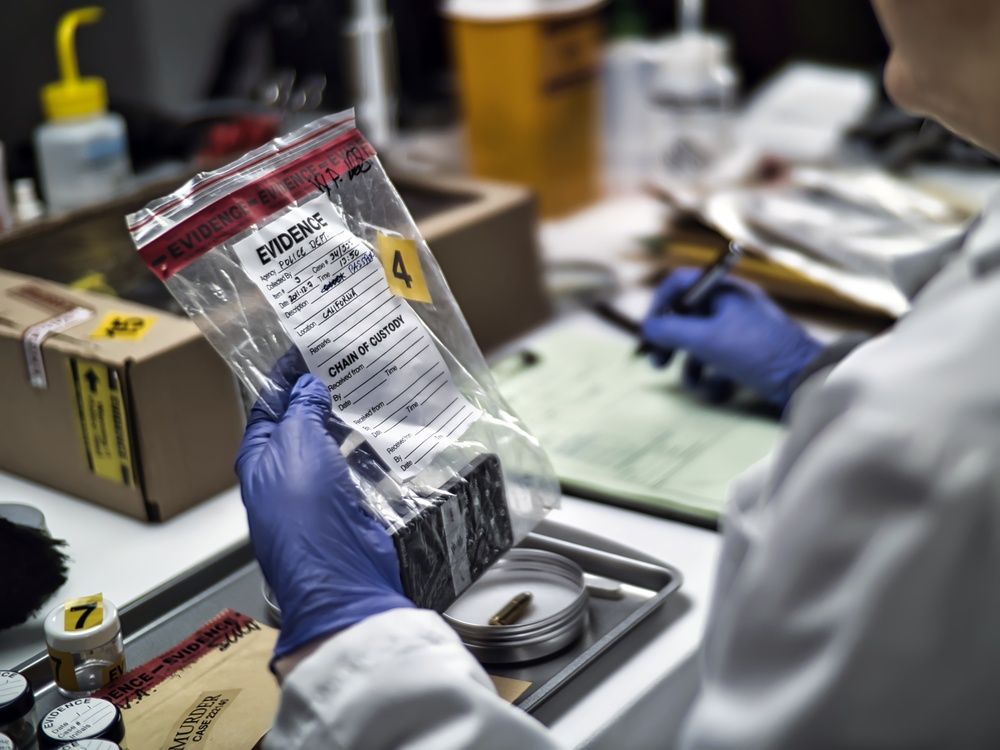
Exposing Flawed Forensic Evidence in Crime Labs
When the prosecution introduces forensic evidence, whether it’s blood alcohol content (BAC) readings, toxicology reports, DNA profiles, or seized drug purity samples, it often arrives wrapped in an aura of infallibility. Juries tend to view scientific evidence as unquestionable truth, assuming that if a lab machine outputs a result, the science behind it is ironclad.
In reality, forensic crime laboratories are run by human beings using scientific instruments that require strict, consistent maintenance. Labs make mistakes, analysts suffer from cognitive bias, equipment drifts out of calibration, and physical evidence can be mishandled or contaminated.
Exposing these flaws requires an aggressive, highly technical defense strategy. At The Law Offices of Richard J. Fuschino Jr., we know that dismantling the prosecution’s scientific claims is often the single most powerful way to suppress key evidence, create reasonable doubt, or get charges dismissed entirely.
The Illusion of Scientific Infallibility in the Courtroom
In popular culture, crime scene investigation is portrayed as instantaneous and mistake-free. In Pennsylvania courtrooms, however, the state’s criminal justice system relies on public and private forensic laboratories that often operate under heavy caseload pressures, tight budgets, and strict police alignment.
Forensic science can be divided into two main categories:
- Objective/Analytical Science: Quantitative measurements such as gas chromatography-mass spectrometry (GC-MS) for drug purity or blood alcohol testing.
- Pattern-Matching/Subjective Science: Qualitative evaluations such as comparative bullet lead analysis, hair follicle analysis, bitemark identification, and complex multi-source DNA interpretation.
Even analytical methods are only as trustworthy as the calibration records, sample handling, and impartiality of the technicians performing them. When you are facing serious charges, working with an experienced criminal lawyer in Philadelphia makes sure that every piece of scientific evidence presented by the prosecution is thoroughly vetted, challenged, and cross-examined rather than accepted at face value.
Exposing Instrument Calibration and Maintenance Errors
Every scientific instrument used in forensic analysis must be routinely calibrated against strict standards. Calibration makes sure that a machine’s measurements are accurate, linear, and free from drift over time.
How Equipment Calibration Fails
When crime labs process dozens of blood or drug samples daily, proper maintenance routines can slip. Defense attorneys inspect lab documentation for critical technical red flags, including:
- Control Standard Expiration: Testing instruments must be checked against control standards of known values before and after running a batch of real evidence. If the laboratory used expired control chemicals or unverified reference standards, the test results are scientifically invalid.
- Calibration Drift: Over time, sensors and detectors degrade. If an instrument’s calibration curve has shifted and the technician fails to recalibrate prior to testing your sample, the quantitative readout will be inaccurate.
- Carryover and Cross-Contamination: In automated testing sequences, residual trace amounts from a high-concentration sample can contaminate the subsequent low-concentration sample if wash cycles are insufficient or equipment components are worn out.
By filing discovery motions for the raw data, audit logs, and maintenance records of the specific machine used, a skilled defense strategy can reveal whether an instrument was operating outside acceptable tolerance limits when your evidence was processed.
Uncovering Breaches in the Chain of Custody
Before a physical sample ever reaches a lab bench, it travels through multiple hands: responding officers, crime scene investigators, evidence locker managers, couriers, and laboratory intake clerks. Under Pennsylvania Rules of Evidence, the Commonwealth must prove an unbroken chain of custody to demonstrate that the item tested in the lab is genuinely the item seized at the scene and that it remained in substantially the same condition.
Common Custody Violations That Compromise Evidence
- Mishandled Storage and Preservation: Biological samples, such as DUI blood draws or DNA swabs, require strict temperature-controlled storage. If blood samples sit in an un-refrigerated police room or warm transport vehicle over a hot weekend, fermentation can occur. Fermentation generates endogenous ethanol inside the blood vial, artificially inflating the blood alcohol content (BAC) reading.
- Improper Packaging: Seized drug evidence or biological materials must be sealed in tamper-evident packaging with initialed labels. Torn seals, missing signatures, or mismatched evidence log numbers cast immediate doubt on whether the sample was tampered with, mislabeled, or swapped with another suspect’s evidence.
- Gaps in Logs: If the evidence log shows a gap where an item was unaccounted for between police station transfer and lab intake, the integrity of the evidence is legally compromised.
When a breach in the chain of custody occurs, your attorney can move to suppress the evidence, preventing the jury from seeing flawed or suspect lab results altogether.
Confronting Lab Analyst Bias and Human Error
It is easy to forget that behind every laboratory report is a human analyst subject to workplace pressures, confirmation bias, and cognitive shortcuts.
Cognitive and Confirmation Bias
Forensic analysts in police-run crime labs frequently work closely with law enforcement officers and prosecutors. Analysts are often provided with “contextual information” before running tests; such as being told, “The suspect confessed, we just need you to confirm this drug sample is meth,” or “The officer smelled alcohol on the driver.”
Studies in cognitive psychology prove that knowing the desired outcome of a test can unconsciously influence how an analyst interprets ambiguous data, especially in subjective evaluations like pattern matching or complex DNA mixture interpretation.
Institutional Problems and “Lab Culture”
Across the United States, public crime labs have faced audits revealing systemic issues, including:
- High error rates ignored by supervisors.
- Shortcuts taken to reduce massive backlogs.
- Inadequate peer-review protocols.
- “Dry-labbing”, a fraudulent practice where an analyst fills out paperwork without actually performing the required scientific test.
Exposing these human elements requires meticulously analyzing the individual technician’s background, proficiency testing results, disciplinary history, and past testimony. If you are navigating charges outside the city limits, consulting a seasoned criminal defense attorney in Doylestown, PA allows you to leverage local courtroom experience to hold prosecution experts to strict evidentiary standards.
How The Law Offices of Richard J. Fuschino Jr. Challenges Forensic Evidence
Overcoming complex forensic evidence requires more than just standard legal arguments; it demands an in-depth understanding of trial procedure, scientific principles, and aggressive cross-examination tactics. The Law Offices of Richard J. Fuschino Jr. brings a proactive, detail-oriented approach to defending clients against forensic claims.
1. Complete Scientific Discovery
We do not rely solely on the summary report provided by the police. We demand the complete “litigation package,” which includes raw electronic data, baseline chromatograms, calibration curves, batch run sheets, maintenance logs, and standard operating procedures (SOPs).
2. Independent Expert Consultation
We work alongside independent forensic toxicologists, DNA experts, and crime scene specialists to re-evaluate the prosecution’s data. If necessary, we seek court orders for independent re-testing of physical samples at accredited private laboratories.
3. Pre-Trial Motions to Suppress & Frye Challenges
If the forensic methodology used by the state lacks general acceptance within the relevant scientific community, or if police breached constitutional search and seizure protocols while obtaining the evidence, we file strategic motions to suppress. Excluding flawed scientific evidence before trial often weakens the prosecution’s case beyond repair.
4. Direct, Knowledgeable Cross-Examination
In court, Attorney Richard J. Fuschino Jr. uses an insider’s perspective on criminal trial strategy to hold the prosecution’s expert witnesses accountable. By questioning analysts on machine error tolerances, proficiency test scores, and missing control samples, we show juries where the science ends and speculation begins.
Take Action: Do Not Let Unchallenged Science Decide Your Future
A forensic lab report is an opinion based on data, not an unassailable fact. If you or a loved one is facing criminal charges supported by drug analysis, blood testing, or biological evidence, do not assume the state’s case is open-and-shut.
The Law Offices of Richard J. Fuschino Jr. is dedicated to protecting your constitutional rights, fighting back against flawed evidence, and building a defense personalized to your case. Contact us today for a case evaluation.